

Warning Signs That Indicate You Need a Foundation Inspection

A home's foundation is one of its most important structural components. It supports the entire building and helps maintain stability over time. When foundation issues begin to develop, they often start with subtle warning signs that many homeowners overlook. Unfortunately, ignoring these indicators can lead to costly repairs, structural damage, and decreased property value.
Understanding common foundation inspection signs can help homeowners identify potential problems early and take action before the damage becomes severe. In San Antonio, TX, foundation concerns are especially common due to the region's expansive clay soils, changing weather conditions, and periods of drought followed by heavy rainfall.
Recognizing the warning signs and scheduling a professional inspection when necessary can save homeowners significant time, money, and stress.
Why Foundation Problems Are Common in San Antonio, TX
San Antonio's soil composition is one of the primary reasons foundation issues occur. Much of the area contains expansive clay soils that expand when wet and shrink when dry. This constant movement places stress on foundations and can gradually cause structural shifts.
Seasonal weather changes can accelerate these problems. During dry periods, soil contracts and pulls away from the foundation. When heavy rain returns, the soil expands rapidly. This repeated cycle can create uneven pressure beneath a home.
While some movement is normal, excessive shifting often leads to visible warning signs that indicate a foundation inspection may be necessary.
Cracks in Interior Walls and Ceilings
One of the most recognizable foundation inspection signs is the appearance of cracks inside the home.
Small hairline cracks may occur naturally as a home settles. However, larger cracks or cracks that continue growing can indicate movement within the foundation.
Pay attention to:
Cracks above doors and windows
Stair-step cracks in drywall
Long horizontal cracks along walls
Ceiling cracks that appear suddenly
These issues often develop when the foundation shifts unevenly and places stress on the structure above it.
If new cracks appear or existing cracks become larger over time, a professional evaluation is recommended.
Exterior Brick and Masonry Cracks
The outside of the home can also reveal foundation concerns.
Cracks in brickwork, stone veneers, or masonry surfaces may indicate movement beneath the structure. Stair-step cracks in brick are particularly common indicators of foundation settlement.
Homeowners should periodically inspect exterior walls and look for:
Cracked mortar joints
Separated bricks
Visible gaps between materials
Uneven wall surfaces
These symptoms should never be ignored because they often become more severe if the underlying issue remains unresolved.
Doors and Windows That Stick
Many homeowners are surprised to learn that sticking doors and windows can signal foundation movement.
When a foundation shifts, the home's framing can become misaligned. This may cause doors and windows to become difficult to open or close.
Common signs include:
Doors rubbing against frames
Windows that won't lock properly
Gaps around window frames
Interior doors that swing open by themselves
Although these problems may appear minor, they can indicate larger structural changes occurring beneath the home.
Uneven or Sloping Floors
Walking across a floor should feel stable and level.
If certain areas seem sloped, uneven, or bouncy, it may indicate foundation movement.
Many homeowners first notice this when:
Furniture appears tilted
Objects roll across the floor
Flooring materials begin separating
Certain rooms feel uneven underfoot
Uneven floors can result from shifting soil, foundation settlement, or structural movement.
A professional inspection can determine whether the issue is cosmetic or related to the home's foundation system.
Gaps Around Doors and Windows
Another common warning sign involves visible gaps forming around windows and door frames.
As a foundation moves, structural components can shift and create spaces that were not previously present.
These gaps may allow:
Drafts
Moisture intrusion
Increased energy loss
Pest entry
If multiple windows and doors throughout the home begin developing similar gaps, a foundation inspection should be considered.
Water Drainage Issues Around the Foundation
Poor drainage is often both a cause and a symptom of foundation problems.
Water that collects around a home's perimeter can soften the soil and create instability beneath the foundation.
Warning signs include:
Standing water near the home
Soil erosion around the foundation
Water pooling after rain
Excessive moisture near exterior walls
Proper drainage helps protect the foundation from unnecessary stress and movement.
Chimney Separation
A chimney that begins pulling away from the home can be a serious indicator of foundation settlement.
Since chimneys are often supported by separate foundation structures, they may move differently than the main home when foundation issues develop.
Visible separation, cracks around the chimney, or leaning structures should be evaluated promptly.
Why Delaying Repairs Can Be Expensive
Foundation problems rarely improve on their own.
Minor issues that are addressed early are typically less expensive to repair than advanced structural damage.
When foundation movement continues unchecked, it can affect:
Walls
Flooring
Plumbing systems
Roofing structures
Exterior finishes
The longer repairs are delayed, the greater the potential cost.
This is why recognizing foundation inspection signs early is so important for homeowners.
The Importance of a Professional Foundation Inspection
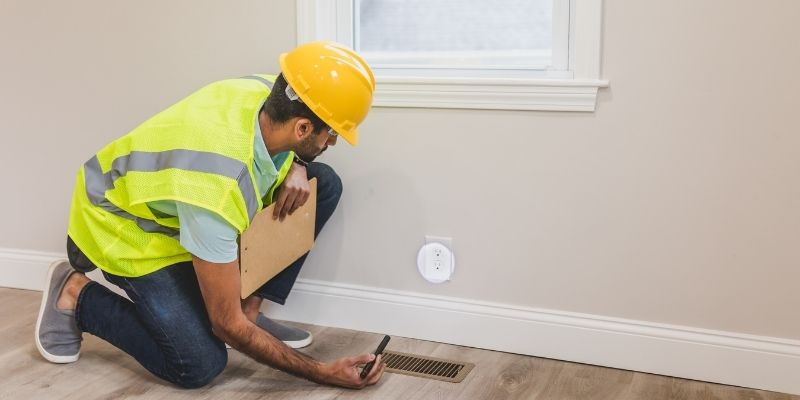
A professional inspection provides a detailed evaluation of the home's structural condition.
Inspectors can identify:
Settlement issues
Structural movement
Drainage concerns
Visible damage
Potential future risks
Many homeowners choose professional Foundation Inspections to gain a clear understanding of their property's condition before major repairs become necessary.
A thorough inspection can provide peace of mind and help homeowners make informed decisions about maintenance and repairs.
Why Homebuyers Should Pay Attention
Foundation issues are not only a concern for current homeowners. Buyers should also pay close attention when purchasing a property.
Even a beautiful home can hide underlying structural concerns.
A professional inspection helps identify potential problems before a purchase is completed, preventing unexpected repair expenses later.
Trust Experienced Professionals
When foundation concerns arise, working with experienced inspection professionals is essential.
Code Blue Home provides comprehensive home inspection services designed to help homeowners and buyers better understand the condition of their properties.
Their detailed evaluations help identify potential issues before they become major structural problems.
Conclusion
Recognizing common foundation inspection signs can help homeowners protect one of their most valuable investments. Cracks, sticking doors, uneven floors, drainage issues, and structural shifts are all indicators that should never be ignored.
In San Antonio, TX, where soil movement is common, staying proactive is especially important. Scheduling a professional inspection at the first sign of trouble can prevent costly repairs and provide peace of mind.
A thorough foundation inspection helps ensure your home remains safe, stable, and structurally sound for years to come.


Comments